
Palliative Medicine
Team of Experts
Tata Memorial Hospital — Mumbai
Ex-Resident: Jaypee Hospital, Yatharth Hospital, CNBC Hospital
Dr. Anshita brings extensive clinical experience as a General Physician in Noida, with a strong focus on pain management and palliative care. Having trained at Tata Memorial Hospital, Mumbai, she offers well-rounded internal medicine support centered on managing chronic illnesses and delivering compassionate, whole-person care.
Understanding Palliative Medicine?
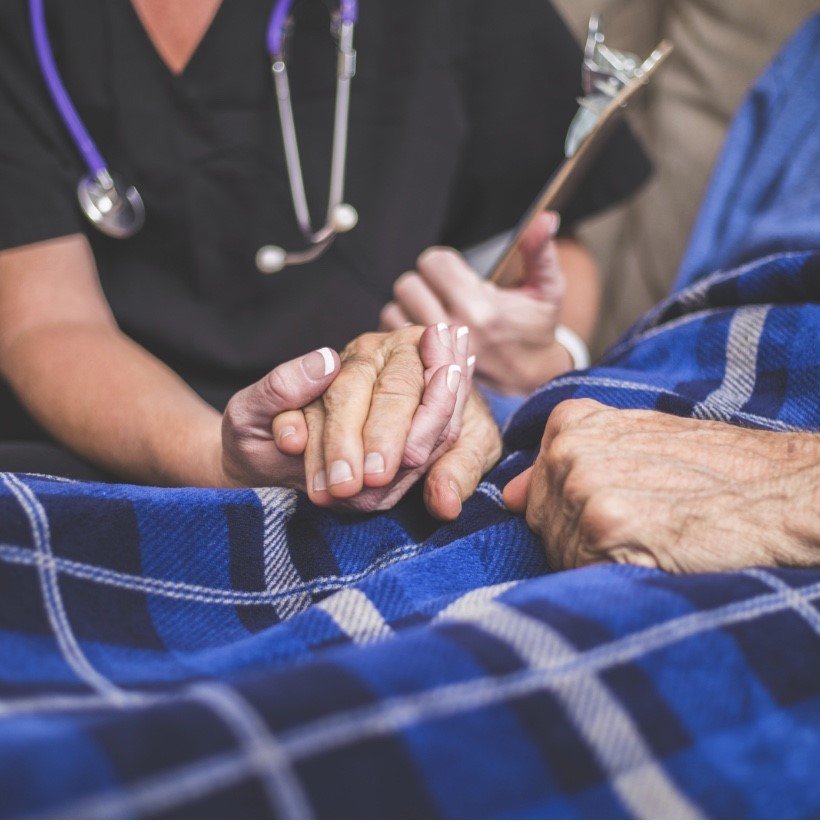
Palliative medicine focuses on easing pain, controlling symptoms, and providing emotional support to patients dealing with serious or life-limiting conditions. It isn't limited to cancer care alone — it extends to individuals managing heart disease, kidney failure, stroke recovery, and other progressive health challenges.
At its core, the aim is simple: help patients live better, not just longer. And this support isn't just for the patient — families going through this journey deserve care too.
Who Needs Palliative Care?
Palliative care is helpful for anyone with a serious, chronic, or life-limiting illness, such as:
- Cancer (at any stage)
- Heart failure or cardiac conditions
- Chronic kidney disease
- Liver failure
- Lung conditions such as COPD
- Neurological disorders like Parkinson's or dementia
- Stroke recovery
- Elderly individuals managing multiple health concerns
Palliative care isn’t reserved for end-of-life stages only — it can be introduced early, alongside ongoing treatment, to enhance day-to-day quality of life.
What Symptoms Can We Help With?
We help manage a wide range of symptoms, including:
- Pain (mild to severe)
- Breathlessness
- Nausea and vomiting
- Weakness and fatigue
- Reduced appetite
- Constipation
- Trouble sleeping
- Anxiety and low mood
- Wound and bedsore care
- Support during advanced stages of illness
- Support during the final days of life
A) Understanding Pain and Its Relief
Living with pain can feel overwhelming — but it doesn't have to be permanent or uncontrolled. We offer:
- Safe, step-by-step medication plans
- Emotional and spiritual support alongside physical treatment
- Advanced pain-relief procedures (detailed below)
Advanced Pain Interventions
Palliative care can start well before end-of-life stages — often working hand-in-hand with curative treatment to improve comfort and quality of life.
1. Nerve Blocks
These procedures target specific nerves to interrupt pain signals.
- Celiac Plexus Block — Eases upper abdominal cancer pain (pancreas, liver, stomach)
- Superior Hypogastric Plexus Block — Relieves pelvic pain (cervix, bladder, rectum)
- Ganglion Impar Block — Targets perineal pain (rectum, vulva, prostate)
- Stellate Ganglion Block — Addresses head, neck, and upper limb pain
- Intercostal Nerve Block — Helps with chest wall or rib pain (e.g., post-thoracotomy)
- Erector Spinae Muscle Block — Targets upper back pain
2. Neurolytic Blocks
These involve chemical agents like alcohol or phenol to disrupt nerve pathways for longer-lasting relief.
- Celiac plexus neurolysis
- Hypogastric plexus neurolysis
- Ganglion impar neurolysis
3. Epidural steroid injection
A widely used advanced intervention to reduce inflammation and pain in the spine, particularly when medication and physiotherapy alone aren't enough.
- Radicular pain (shooting pain down arms or legs) from
- Chronic back pain with or without sciatica
- Cancer-related back or vertebral pain
- Occasionally used for neck or thoracic pain
B) Relief for Persistent (Refractory) Symptoms
Some advanced conditions don't respond well to standard treatment. For these refractory symptoms, we offer specialized procedures designed for lasting comfort:
- Indwelling Pleural Catheters – for recurring pleural effusion causing breathlessness
- Tunnelled Peritoneal Catheters – for recurrent or malignant ascites causing abdominal discomfort
- Indwelling Urinary Catheters – for patients experiencing urinary retention or incontinence
- Subcutaneous infusions or patches – for continuous delivery of symptom-relief medication at home
Home Care Services
Many patients with serious illnesses find travel difficult or simply feel more at ease being cared for at home. That's exactly why we bring our palliative expertise to your doorstep.
What We Provide At Home:
- Symptom and pain management
- Medication review and dosage adjustments
- Nursing support (wound dressing, catheter care, bedsore management, etc.)
- Emotional counseling for patients and their families
- Care through advanced and final stages of illness
- Caregiver training and guidance
- Coordination with the patient's existing doctors, if required
Our home care team — palliative doctors, nurses, physiotherapists, counselors, and trained caregivers — works together to ensure dignity, comfort, and support for both patients and their loved ones.
We bring compassionate care to your doorstep.
Meet Your Palliative Care Team
Holistic care requires a team effort. Here's who supports you:
- Palliative Medicine Specialist – Oversees overall treatment and symptom control
- Nurses – Provide hands-on comfort care, medication support, and wound management
- Psychologist/Counselor – Offers emotional and grief support
- Social Worker – Assists with logistics, finances, and care planning
- Pain Intervention Specialist – Performs nerve blocks and related procedures
- Spiritual Care Advisor – Provides spiritual comfort, especially during end-of-life care
Where is Care Provided?
We offer flexible care options to suit your needs:
- At our clinic
- Home visits (available in select areas)
- Online consultations (for follow-ups and counseling)
Frequently Asked Questions
No. Palliative care can begin at any stage of illness, even while continuing active treatment. Hospice, on the other hand, is specifically for the final stages of life.
Not necessarily. Palliative care works alongside your current treatment plan to manage symptoms and improve comfort — it doesn't replace ongoing medical care unless you and your doctor decide otherwise.
No. Palliative care supports patients with a wide range of serious illnesses — including heart, kidney, liver, and neurological conditions — not just cancer.
Enhancing Your Health is a Strength
Seeking professional care is an act of confidence. Trust our expertise to help you shine brighter and feel your best.