
Pit & Fissure Sealants
Pit & Fissure Sealants are a preventive dental treatment that helps protect children’s teeth from cavities by sealing the deep grooves found on the chewing surfaces of molars and premolars. These tiny pits and fissures are difficult to clean with regular brushing, allowing food particles and bacteria to collect. Sealants create a thin protective layer that shields these vulnerable areas and reduces the risk of tooth decay.
As permanent back teeth erupt, they become more susceptible to cavities because their uneven chewing surfaces can easily trap plaque. Applying sealants at the right time offers long-term protection during the years when children are most prone to developing dental decay. This treatment is especially beneficial for children with deep grooves, poor oral hygiene, or an increased risk of cavities.
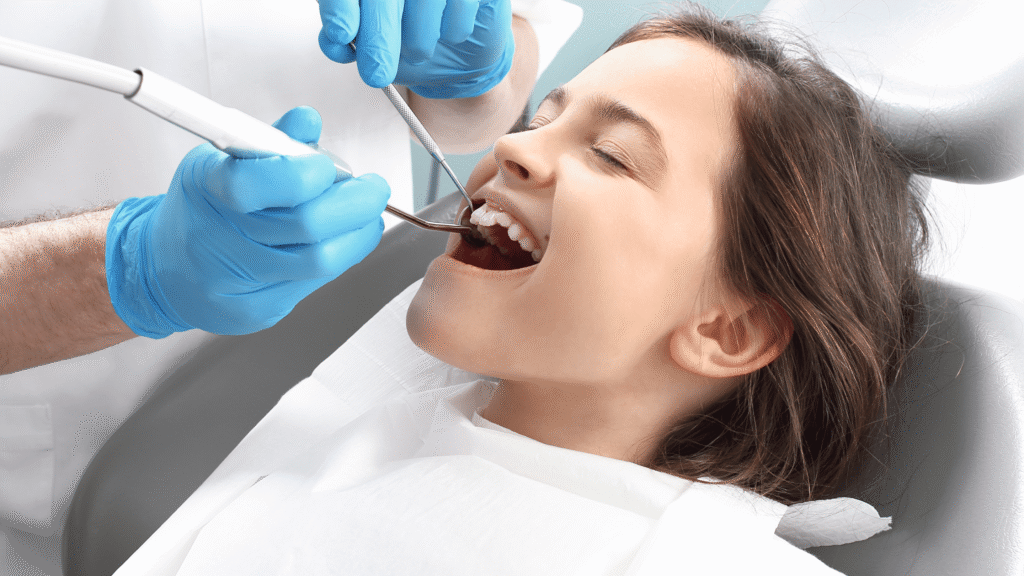
The sealant procedure is quick, comfortable, and completely non-invasive. After thoroughly cleaning the tooth, a tooth-coloured protective coating is applied and hardened to form a durable barrier against decay. No drilling or injections are required, making pit and fissure sealants an ideal preventive treatment for children and teenagers.
Frequently Asked Questions
Sealants are usually recommended soon after the first and second permanent molars erupt, typically between the ages of 6 and 14, depending on the child's dental development.
With proper care and regular dental check-ups, sealants can protect teeth for several years. Your dentist will monitor them and recommend reapplication if necessary.
Yes. Adults with deep grooves in their teeth and no existing fillings or decay on those surfaces may also benefit from sealant treatment.
No. Sealants are extremely thin and quickly adjust to your child's natural bite without affecting chewing or speaking.
Sealants are usually clear or tooth-coloured, making them virtually unnoticeable while providing effective protection against cavities.
No. Sealants provide extra protection, but children should continue brushing twice daily, flossing regularly, and attending routine dental check-ups to maintain optimal oral health