
Full Mouth Rehabilitation (FMR)
Restore Your Oral Health with Comprehensive Full Mouth Rehabilitation in Noida
Full Mouth Rehabilitation (FMR) is a comprehensive dental treatment designed to rebuild the health, function, comfort, and appearance of your entire mouth. It is recommended for patients experiencing multiple dental concerns such as severely worn teeth, missing teeth, bite irregularities, gum disease, damaged restorations, or chronic jaw discomfort. The primary goal of FMR is to restore optimal oral function while creating a healthy, balanced, and natural-looking smile.
At Face Studio Clinics, Noida, every Full Mouth Rehabilitation begins with a detailed assessment of your teeth, gums, jaw joints, bite alignment, facial structure, and overall oral condition. Based on this evaluation, our specialists develop a personalized treatment plan that may combine restorative, cosmetic, periodontal, orthodontic, and implant dentistry to address your unique needs.
Our multidisciplinary approach ensures that every stage of treatment is carefully planned and executed using advanced dental technology, digital diagnostics, and high-quality restorative materials. The result is a functional, comfortable, and aesthetically pleasing smile that supports your long-term oral health.
Our Comprehensive Full Mouth Rehabilitation Process
Comprehensive Diagnostic Evaluation
Your treatment journey begins with an in-depth clinical examination, digital photographs, CBCT imaging (when required), intraoral scans, bite analysis, and study models. Digital smile planning may also be performed to visualize the expected treatment outcome and align it with your expectations.
Oral Health Stabilization
Before restorative procedures begin, any underlying dental issues are treated. This may include periodontal therapy, root canal treatment, cavity management, tooth extractions where necessary, and temporary restorations or occlusal splints to establish a stable foundation for rehabilitation.
Customized Restorative Treatment
Once your oral health is stabilized, permanent restorative procedures are carried out according to your personalized treatment plan. Depending on your needs, treatment may involve dental crowns, bridges, veneers, dental implants, or implant-supported full-mouth prostheses to restore both function and aesthetics.
Bite Correction & Functional Optimization
Precise adjustments are made to improve bite alignment, chewing efficiency, jaw comfort, and overall occlusion. Final prosthetic restorations are carefully refined to achieve long-term stability, comfort, and natural aesthetics.
Long-Term Maintenance & Follow-Up Care
Regular follow-up appointments help monitor the health of your restorations and surrounding tissues. Professional cleaning, periodontal maintenance, prosthetic evaluations, bite assessments, and protective appliances such as night guards may be recommended to maintain long-term treatment success.
Benefits of Choosing Full Mouth Rehabilitation:
- Restores Comfortable Chewing Function : Rebuilds worn or damaged teeth, improves bite alignment, and restores efficient chewing for everyday comfort.
- Enhances Smile Appearance : Improves tooth shape, alignment, color, and facial aesthetics using customized restorative and cosmetic treatments.
- Supports Long-Term Oral Stability : Creates a balanced bite that helps reduce excessive tooth wear, protects restorations, and minimizes stress on the jaw joints.
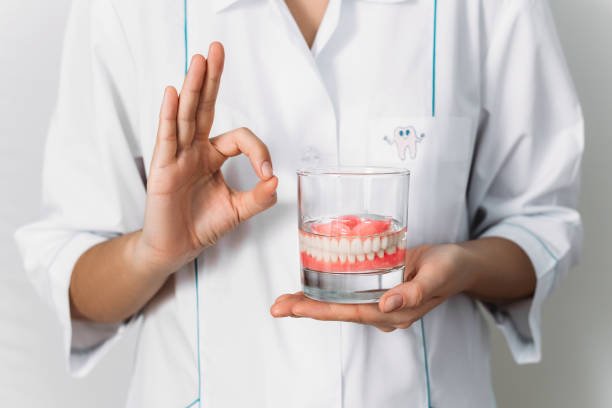
Advanced Technology Used in Our FMR Treatments:
Digital Treatment Planning & CAD/CAM Technology:
- Digital smile planning, CAD/CAM restorations, and advanced imaging allow highly accurate diagnosis, efficient treatment planning, and precisely fabricated restorations.
- When dental implants are required, computer-guided implant placement improves accuracy, stability, and long-term restorative outcomes.
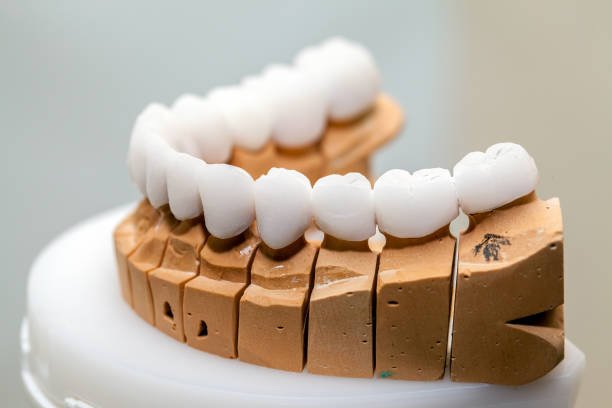
Expected Treatment Outcomes:
- Every Full Mouth Rehabilitation is customized according to the complexity of your dental condition.
- Successful Full Mouth Rehabilitation depends on accurate diagnosis, personalized treatment planning, patient cooperation, regular follow-up visits, and consistent oral hygiene maintenance.
Frequently Asked Questions
A combination of crowns, veneers, implants, bridges, and sometimes orthodontics.
Depending on complexity — 2–6 months.
Those with multiple damaged teeth, bite collapse, or extensive dental wear.
Yes — every step is carefully planned with digital impressions and diagnostic scans.