
Pulpotomy / Pulpectomy (Root Canal for Milk Teeth)
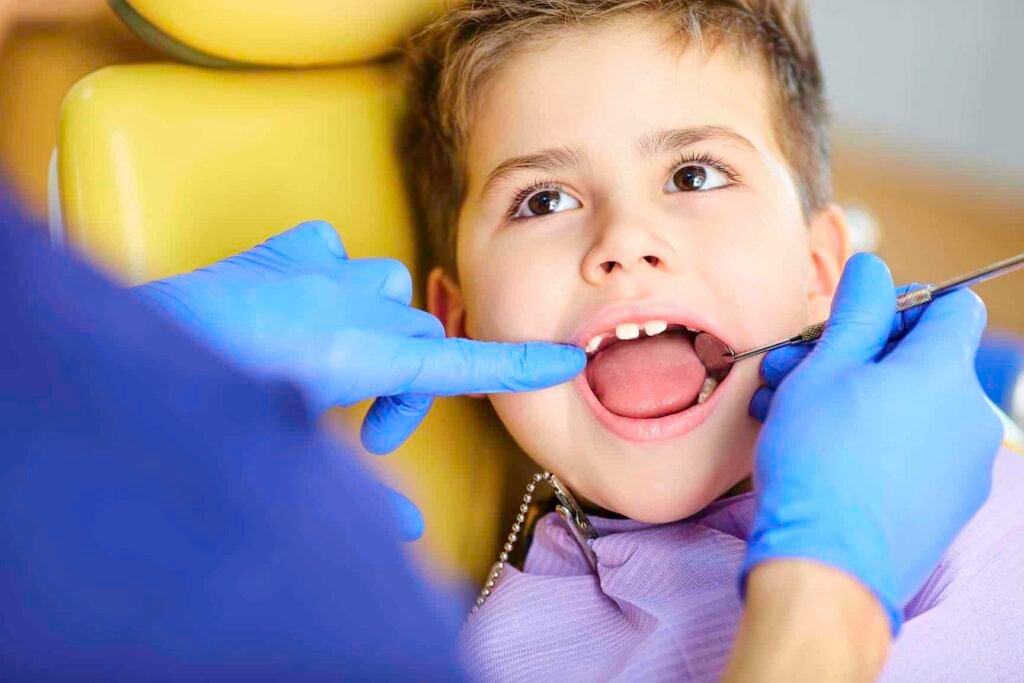
Pulpotomy and pulpectomy are specialized pediatric dental procedures used to treat infected or damaged pulp in primary (milk) teeth while preserving the tooth until it naturally falls out. Healthy milk teeth play an important role in chewing, speech development, proper jaw growth, and maintaining space for permanent teeth. Timely treatment helps eliminate infection, relieve pain, and reduce the risk of premature tooth loss.
A pulpotomy is recommended when the infection is limited to the upper portion (crown) of the tooth’s pulp. During the procedure, the affected pulp tissue is carefully removed while the healthy pulp inside the roots is preserved. A medicated material is placed to encourage healing, and the tooth is then restored, often with a stainless steel crown, to provide long-term protection. This treatment is commonly performed for primary teeth with deep cavities that have not yet affected the root pulp.
A pulpectomy, commonly known as a root canal treatment for milk teeth, is advised when the infection has spread throughout the pulp and into the root canals. In this procedure, the entire infected pulp is removed from both the crown and roots. The canals are thoroughly cleaned, disinfected, and filled with a biocompatible resorbable material that naturally dissolves as the primary tooth sheds. This allows the tooth to remain functional until it is replaced by the permanent tooth.
Frequently Asked Questions
Milk teeth are essential for proper chewing, speech development, and maintaining the correct space for permanent teeth. Losing them too early may result in alignment issues and affect the eruption of adult teeth.
No. Pulpotomy and pulpectomy are performed under local anaesthesia, ensuring your child remains comfortable throughout the treatment. Any mild discomfort after the procedure is usually temporary and can be managed easily.
The duration depends on the condition of the tooth. In most cases, the procedure can be completed within a single appointment, although some situations may require an additional visit.
After completing the procedure, the treated tooth is generally restored with a stainless steel crown. This protects the tooth, restores its function, and helps it withstand normal chewing forces until it naturally exfoliates.
When the treatment is performed correctly and good oral hygiene is maintained, the chances of reinfection are very low. Regular dental check-ups help ensure the treated tooth remains healthy.
The treated milk tooth is expected to remain in place until it naturally falls out and is replaced by the permanent tooth, provided proper oral hygiene and routine dental care are maintained.