
Fluoride Application
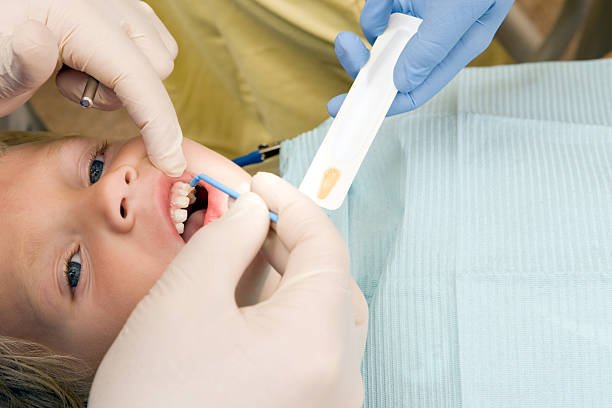
Fluoride application is a simple and effective preventive dental treatment that helps protect children’s teeth from cavities by strengthening the enamel. Fluoride is a naturally occurring mineral that supports the repair of early enamel damage and improves the teeth’s ability to resist acid attacks caused by plaque bacteria and sugary foods. Regular fluoride treatments play an important role in maintaining healthy teeth throughout childhood.
As children’s teeth continue to develop, they are more susceptible to decay due to frequent snacking, inconsistent brushing habits, and newly erupted permanent teeth. Professional fluoride application provides added protection by reinforcing tooth enamel and reducing the risk of cavities. It is particularly beneficial for children who have a higher chance of developing tooth decay or require additional preventive care.
Fluoride treatment is quick, comfortable, and completely non-invasive. It is available in different forms, including varnishes, gels, and foams, depending on the child’s age and individual dental needs. Along with professional fluoride applications, our dental team provides guidance on proper brushing, fluoride toothpaste, and healthy dietary habits to help maintain strong and healthy teeth at home.
Frequently Asked Questions
Fluoride treatment is recommended for most children, especially those who are at a higher risk of developing cavities or have weakened tooth enamel.
The procedure usually takes only a few minutes and is completed during a routine dental check-up.
Depending on the type of fluoride used, your dentist may advise your child to avoid eating or drinking for about 30 minutes to allow the fluoride to work effectively.
Yes. Fluoride strengthens tooth enamel, making it more resistant to decay and helping to prevent the formation of cavities.
No. Fluoride application is completely painless, non-invasive, and well tolerated by children of all ages.
The frequency depends on your child's oral health and cavity risk. Most children benefit from professional fluoride applications every three to six months, as recommended by their dentist.