
Bone Grafting Treatment in Noida | Regenerative Dentistry
Bone Grafting and Regenerative Procedures are advanced periodontal treatments used to rebuild bone and supporting tissues that have been damaged due to gum disease, tooth loss, trauma, or infection. These procedures are often recommended when bone deterioration affects tooth stability or reduces the possibility of future treatments such as dental implants. Restoring lost bone helps improve oral function, preserve natural teeth whenever possible, and maintain a healthy foundation for long-term dental health.
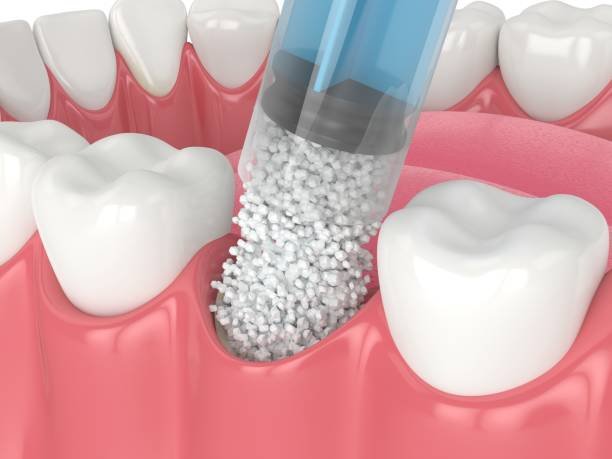
Before treatment, a detailed clinical examination is carried out, which may include dental X-rays or 3D imaging to assess the extent of bone loss and determine the most suitable treatment plan. During the procedure, bone grafting material—whether natural, synthetic, or donor-derived—is carefully placed in areas where bone support has been lost to stimulate new bone formation. Depending on the condition, regenerative techniques such as barrier membranes, growth factors, or other biologic materials may also be used to encourage tissue healing and regeneration.
The procedure is performed under local anaesthesia to ensure patient comfort throughout the treatment. Every treatment plan is customized according to the patient’s oral condition, overall health, and restorative goals. After the procedure, proper oral hygiene, prescribed aftercare, and regular follow-up appointments are essential to monitor healing, support successful bone regeneration, and maintain healthy gums and teeth.
Frequently Asked Questions
Bone grafting is commonly advised when significant bone loss has occurred due to advanced gum disease, trauma, tooth extraction, or before placing a dental implant. It helps rebuild the jawbone and provides adequate support for future dental restorations.
Bone grafts may be created using the patient's own bone, donor bone, synthetic graft materials, or specially processed biologic substitutes. Your dentist will recommend the most suitable option based on your oral health and treatment needs.
Bone grafting is considered a routine surgical procedure in dentistry and is typically performed under local anaesthesia. Most patients tolerate the treatment well and can return to their normal activities within a short period while following post-operative care instructions.
Healing time varies depending on the size of the graft and the individual's overall health. Initial healing usually occurs within a few weeks, while complete bone regeneration may take several months before additional treatments, such as dental implants, can be performed.
In certain cases, yes. When combined with appropriate periodontal treatment, bone grafting can restore lost bone support around affected teeth and improve their stability. However, the outcome depends on the severity of bone loss and the overall condition of the tooth.
Yes. Bone grafting is a safe and well-established dental procedure when performed by an experienced dental professional. Careful treatment planning, proper surgical techniques, and following post-operative instructions significantly contribute to successful healing and long-term results.