
Endodontics is a specialized branch of dentistry that focuses on the diagnosis, prevention, and treatment of diseases and injuries affecting the dental pulp and the periradicular tissues. Derived from the Greek words endo (inside) and odont (tooth), endodontics primarily involves root canal therapy, which aims to save teeth that would otherwise require extraction.
The dental pulp, located in the center of the tooth, contains nerves, blood vessels, and connective tissue. When this tissue becomes inflamed or infected due to deep decay, repeated dental procedures, or trauma, endodontic treatment becomes necessary to eliminate infection and preserve the natural tooth structure.
Modern endodontics integrates advanced technologies such as digital imaging, rotary instrumentation, and surgical microscopes, significantly improving diagnostic accuracy and treatment outcomes. The ultimate goal of endodontic therapy is to relieve pain, maintain natural dentition, and restore normal function and aesthetics.

Root Canal Treatment (RCT) is a dental procedure used to treat infection or damage in the pulp (the soft tissue inside a tooth that contains nerves and blood vessels). Instead of removing the tooth, the dentist removes the infected or inflamed pulp, cleans and shapes the inside of the root canals, and then fills and seals the space. A crown is usually placed afterward to restore and protect the tooth.
You may need a root canal if:
After the procedure:
After your procedure:
In some cases, the RCT may not fully eliminate the infection or the tooth may become reinfected. If that happens:
Re-RCT, or Root Canal Retreatment, is a procedure done when a tooth that previously had a root canal fails to heal properly or becomes infected again. In this procedure, the dentist or endodontist reopens the tooth, removes the old root canal filling, cleans the canals again, treats the infection, and then refills and seals the tooth.
Re-RCT may be needed if:
Re-RCT is generally successful in 70% to 85% of cases, depending on:
While the success rate is slightly lower than initial RCT, many teeth can still be preserved long-term with retreatment.
If retreatment fails or the tooth is too damaged:
Tooth replacement options after extraction include:

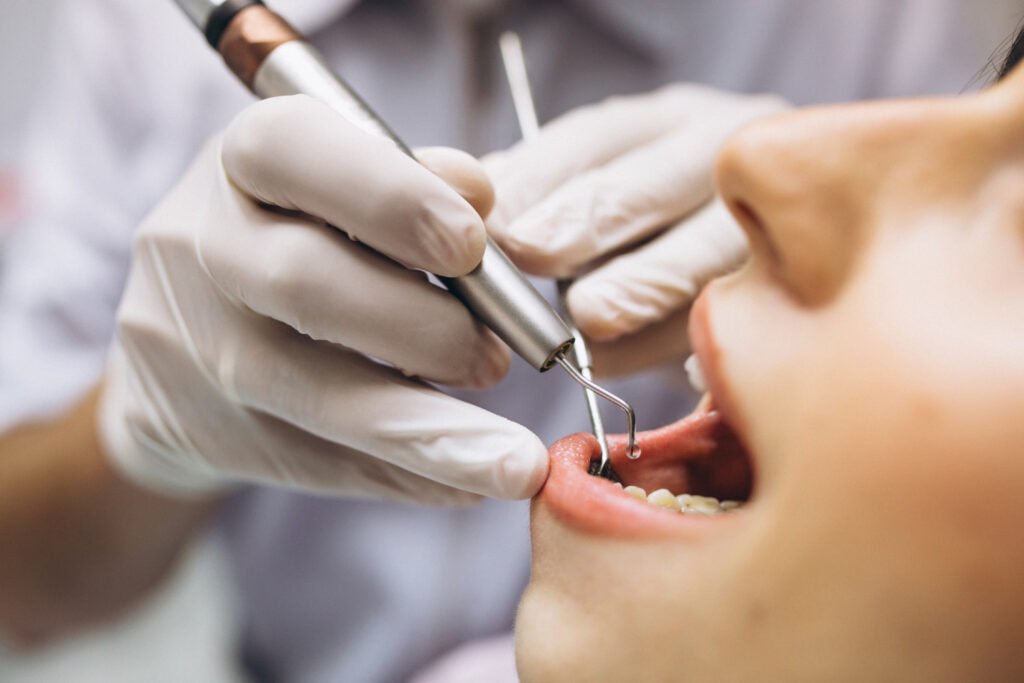
A filling or restoration is needed when a tooth has a cavity (decay), crack, or minor fracture. The purpose is to:
Restorations also help protect the tooth from further damage and maintain a proper bite.
Most fillings are painless, especially with modern dental techniques and local anesthesia.
You may feel pressure or mild sensitivity during or after the procedure, but it typically goes away within a day or two.
For very shallow cavities, anesthesia may not even be needed.
The lifespan depends on the type of filling, the location in the mouth, and oral hygiene. On average:
Composite (tooth-colored): 5–10 years
Amalgam (silver): 10–15 years
Gold: 15–30 years
Ceramic (porcelain): 10–20 years
Glass ionomer: 5–7 years (used more often for temporary or non-load bearing areas)
Proper brushing, flossing, and avoiding hard or sticky foods can extend their life.
Composite Resin (Tooth-Colored)
Amalgam (Silver)
Ceramic (Porcelain)
Gold Fillings
Glass Ionomer
Leaving a cavity untreated can lead to:
Early treatment with a simple filling is faster, cheaper, and less invasive than dealing with advanced tooth decay.

Monday – Sunday,
Thursday Closed
10:30am to 8:30pm IST