
Dentures
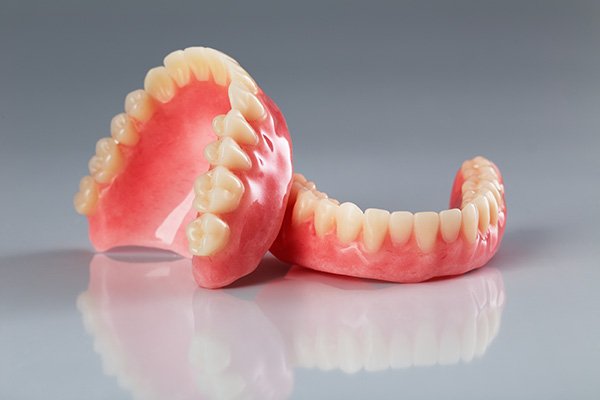
Dentures offer a practical and reliable solution for replacing missing teeth, helping patients regain a complete smile and improve everyday functions such as eating and speaking. Teeth may be lost due to advanced decay, periodontal disease, trauma, or natural aging, and untreated tooth loss can gradually affect facial appearance, bite stability, and overall oral health.
Depending on the patient’s needs, dentures may replace an entire arch of teeth or only a few missing teeth. Each denture is individually crafted to provide a secure fit, complement facial features, and restore a natural-looking smile. Modern materials make today’s dentures lighter, more comfortable, and remarkably lifelike, allowing patients to smile with confidence.
Successful denture treatment begins with a detailed evaluation of the gums, jawbone, and bite to ensure the best possible fit and function. After placement, periodic check-ups help maintain comfort, make necessary adjustments, and accommodate natural changes in the mouth, ensuring your dentures continue to perform effectively over time.
Frequently Asked Questions
Dentures are suitable for individuals who have lost several or all of their natural teeth due to decay, gum disease, injury, or ageing. Your dentist will recommend the most appropriate type based on your oral health and needs.
There are two main types: complete dentures, which replace all teeth in the upper or lower jaw, and partial dentures, which replace one or more missing teeth while preserving the remaining natural teeth.
The process usually takes a few appointments over several weeks. It includes an oral examination, impressions, bite registration, trial fitting, and the final placement of your custom-made dentures.
You may notice slight changes in speech when you first start wearing dentures. Most patients adapt within a short period, and speaking becomes natural with regular use.
It is generally recommended to remove your dentures at night. This allows your gums to rest, improves oral hygiene, and helps reduce the risk of irritation or infection.
Although dentures are durable, they may need to be replaced every 5–10 years or sooner if they become worn, damaged, or no longer fit properly due to changes in the jawbone and gums